In this article (15)
- 1. Madeira's microclimates (the most important thing to know)
- 2. January — cool, fresh, occasional rain
- 3. February — similar to January, almonds in bloom
- 4. March — spring arrives, levadas reopen
- 5. April — Flower Festival, perfect hiking weather
- 6. May — the local favourite
- 7. June — summer warmth, dry trails
- 8. July — peak summer, busy and warm
- 9. August — hot south coast, festival season
- 10. September — the sweet spot
- 11. October — still warm, fewer people
- 12. November — green, quiet, occasional storms
- 13. December — mild winter, Christmas lights, New Year fireworks
- 14. The layering strategy (works any month)
- 15. Best months for specific activities
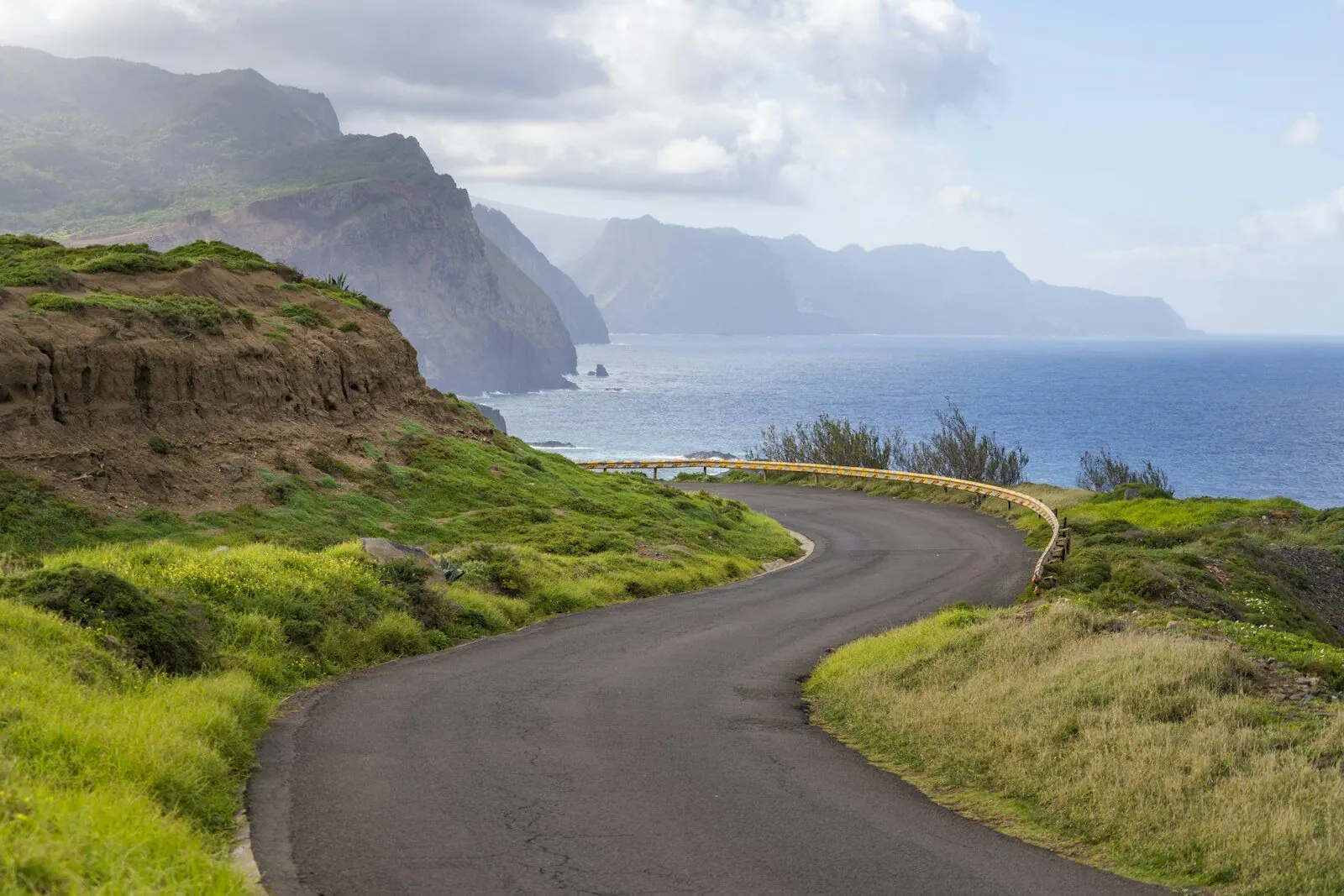
Madeira is often called the 'island of eternal spring' — and it's mostly true. Sitting in the Atlantic off the coast of Africa, the island enjoys mild temperatures year-round, rarely dropping below 16 °C in winter or climbing above 26 °C in summer along the south coast.
But Madeira's weather is more nuanced than the averages suggest. The north coast is wetter and greener, the south is sunnier and drier, and the mountains in the middle make their own weather — sometimes all four seasons in a single day. This guide breaks down what to expect each month, what to pack, and when to come for what you want to do.
Madeira's microclimates (the most important thing to know)
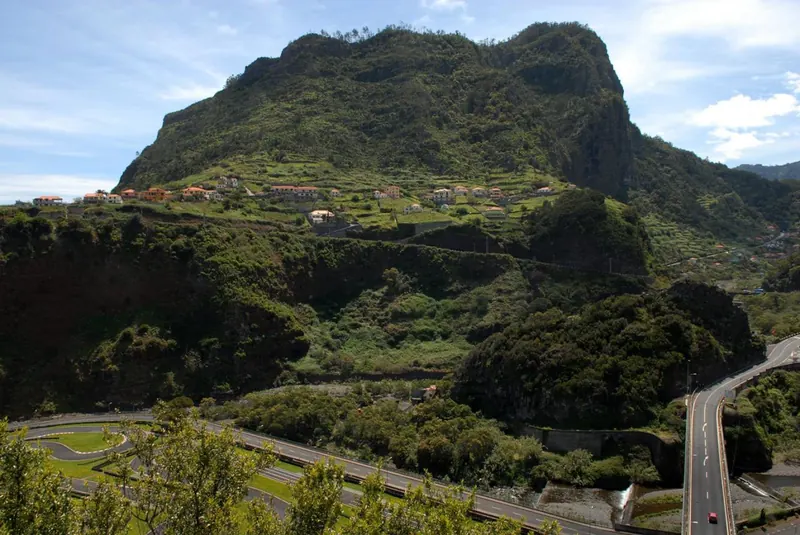
Before the month-by-month breakdown, understand this: Madeira has at least three distinct climates packed into a small island. Funchal and the south coast are sunny, dry, and warm almost year-round. The north coast (São Vicente, Seixal, Porto Moniz) is greener and gets 2-3x more rain. The central mountains (Pico do Areeiro, Pico Ruivo, Paúl da Serra) are 10-15 °C cooler than the coast, often above the clouds, and can have snow in winter.
Practical consequence: if it's raining in Funchal, drive 20 minutes to the south or up above the clouds and you'll often find sun. A good local driver always has a 'plan B' route for the weather of the day.
January — cool, fresh, occasional rain
Funchal: 16-19 °C · North: cooler and wetter · Mountains: 4-8 °C, occasional snow above 1,500 m. The quietest month of the year. Great for walking and exploring towns without crowds. Some levadas in the north are closed after winter storms — check ifcn.madeira.gov.pt.
- Pack: light jacket, jumper, waterproof, walking shoes
- Best for: city breaks, hot drinks in Câmara de Lobos, lower-altitude levadas
- Skip: high-altitude hiking on bad-weather days, beach swimming (sea ~18 °C)
February — similar to January, almonds in bloom
Funchal: 16-19 °C · The almond trees blossom in the higher villages (Curral das Freiras), which is one of Madeira's quiet highlights. Carnival usually falls in February — Funchal hosts one of Portugal's biggest parades.
- Pack: layers, waterproof shell, light scarf for evenings
- Best for: Carnival, almond blossom in the mountain villages, photography
March — spring arrives, levadas reopen
Funchal: 17-20 °C · Rain begins to ease. Days lengthen. Most levadas are back open after winter maintenance. A great month for hiking before the summer crowds arrive.
- Pack: layers, light rain jacket, sun cream (UV is already strong)
- Best for: levada walks, Pico do Areeiro on clear mornings, Fanal forest in mist
April — Flower Festival, perfect hiking weather
Funchal: 18-21 °C · Sea: ~19 °C. The Madeira Flower Festival fills Funchal with parades, carpets of petals and concerts. Temperatures are ideal for long hiking days — warm but not hot.
- Pack: t-shirts + a fleece for evenings, hiking shoes, sun hat
- Best for: hiking, Flower Festival, photography, garden visits
May — the local favourite
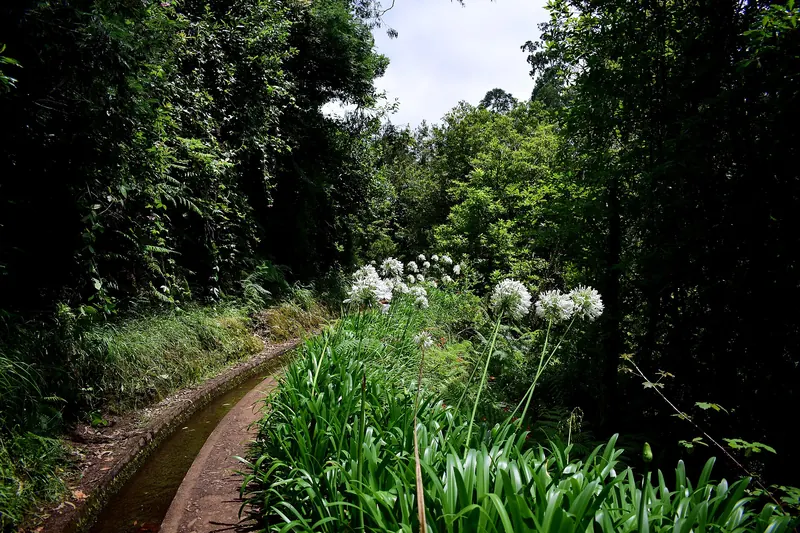
Funchal: 19-22 °C · Sea: 19-20 °C. Many locals say May is the best month: long sunny days, blooming hydrangeas along the levadas, manageable crowds and reliable weather for the high mountains. The PR1 ridge between Pico do Areeiro and Pico Ruivo is at its best.
- Pack: t-shirts, light layers for mountains and evenings, swimwear
- Best for: the PR1 ridge hike, all-day tours, first beach days
June — summer warmth, dry trails
Funchal: 21-24 °C · Sea: 21 °C. School holidays haven't started in most of Europe so the island is still relatively calm. Trails are dry, the sea is warming up, and the cloud line often sits perfectly below the peaks for that 'sea of clouds' view.
- Pack: summer clothes, light layers for evenings, swimwear, hiking shoes
- Best for: the full Pico do Areeiro → Pico Ruivo crossing, Porto Moniz pools, whale watching
July — peak summer, busy and warm
Funchal: 22-25 °C · Sea: 22 °C. Madeira's busiest month alongside August. Book tours and restaurants in advance. The south coast is reliably sunny; the north is at its driest. Levadas can be crowded — early starts pay off.
- Pack: summer clothes, strong sun cream, sun hat, swimwear
- Best for: beach days at Seixal and Calheta, kayaking, dolphin and whale tours
- Tip: start mountain hikes at sunrise to beat heat and crowds
August — hot south coast, festival season
Funchal: 22-26 °C · Sea: 23 °C. Most expensive and most crowded month. Many small villages hold their summer festivals (festas) — local food, live music, fireworks. The north coast stays a few degrees cooler and is a great escape from busy Funchal.
- Pack: light summer clothes, swimwear, evening layer for the mountains
- Best for: festas in the villages, sea swimming, night sky over the mountains
September — the sweet spot
Funchal: 22-25 °C · Sea: 23 °C (warmest of the year). My pick for couples and walkers. Crowds drop after the first week, the sea is at its warmest, and Madeira's wine harvest (vindima) is in full swing — visit the wine villages in Estreito de Câmara de Lobos or São Vicente.
- Pack: summer clothes, light layer for evenings, swimwear
- Best for: wine harvest experiences, hiking, swimming, photography
October — still warm, fewer people
Funchal: 20-24 °C · Sea: 22 °C. A genuinely lovely month — warm enough for the sea and the south coast, cool enough for full-day hikes. Some rain returns, mostly in short bursts. Trails are quiet again.
- Pack: summer clothes + a light waterproof, layers for evenings
- Best for: long hiking days, levada walks, last sea swims
November — green, quiet, occasional storms
Funchal: 18-22 °C · Rainier than October, but the island turns intensely green and waterfalls along the levadas are at their most dramatic. The north coast can get Atlantic swells — spectacular to watch from the cliffs at Seixal or São Vicente.
- Pack: layers, waterproof jacket, walking shoes with grip
- Best for: storm-watching on the north coast, waterfall levadas, low prices
December — mild winter, Christmas lights, New Year fireworks
Funchal: 17-20 °C · Funchal's Christmas illuminations are spectacular and run from late November through early January. New Year's Eve fireworks over the harbour are listed in the Guinness Book of Records and are a major reason cruise ships and visitors come this time of year.
- Pack: jumper, light jacket, waterproof, comfortable shoes
- Best for: Christmas markets, NYE fireworks, mild city breaks
The layering strategy (works any month)
Madeira's biggest packing mistake is dressing for one climate. The smart approach is layering: a base t-shirt, a mid-layer fleece or jumper, and a light waterproof shell. You'll thank yourself when you start the day on a 23 °C south-coast promenade and end it at 1,800 m on Pico do Areeiro in the wind.
- Base layer: t-shirt or thin long-sleeve
- Mid layer: light fleece or merino jumper
- Outer: packable waterproof / windproof jacket
- Shoes: trail-grip hiking shoes (paths get wet and slippery)
- Always: small backpack, water bottle, sun cream, sunglasses
Best months for specific activities
- Hiking the high peaks (PR1): May, June, September, October
- Levada walks: March to November (some open year-round)
- Whale & dolphin watching: April to October (best calm seas)
- Sea swimming: July to October
- Photography & moody landscapes: November to February
- Quietest months: January, February, November
- Wine harvest: September
- Carnival / Flower Festival / NYE fireworks: February / April / December
Whatever month you visit, Madeira's microclimates mean there's almost always somewhere on the island with the weather you wanted. If you'd like a guide who knows where the sun is on any given day — and can re-route your tour around the clouds — see our private Madeira tours. We track the forecast and adjust the itinerary in real time so you get the best of the island, whatever the sky is doing.